Weight Loss for Women Over 40 becomes a new norm. Many women reach their forties and feel like their body suddenly changed. The strategies that used to work in their twenties or thirties stop working. The scale climbs even though nothing seems different. You might be eating similar foods, exercising the same way, yet fat loss feels impossible.
This experience is extremely common. Weight loss for women over 40 is not simply about eating less or exercising more. Hormonal changes, metabolic shifts, muscle loss, sleep disruption and stress hormones all influence how the body stores and burns fat.
Understanding what is happening inside the body is the first step toward creating a plan that actually works.
Why Weight Loss for women over 40 Becomes Harder
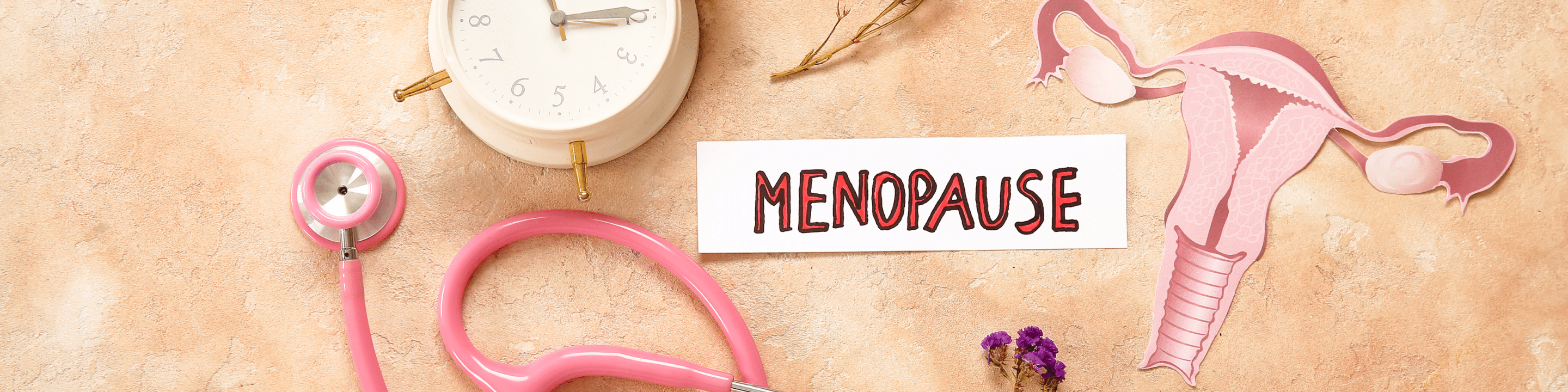
As women move into their forties, many enter the early stages of perimenopause. This transition can begin years before menopause itself. During this time, hormones such as estrogen and progesterone begin to fluctuate rather than decline in a smooth pattern.
These fluctuations affect several key systems in the body:
- metabolism
- insulin sensitivity
- appetite regulation
- sleep quality
- stress hormones
The combination of these changes can make fat loss slower and fat storage easier, especially around the abdomen.
Hormone Changes and Weight Gain
Hormones play a major role in how the body stores and burns energy. As estrogen begins to fluctuate and eventually decline, several metabolic changes can occur.
Estrogen helps regulate how the body uses glucose and stores fat. When estrogen levels shift, the body becomes more likely to store fat in the abdominal area rather than the hips and thighs.
Progesterone also begins to decline during perimenopause. This hormone influences sleep quality and nervous system balance. Poor sleep and increased stress can raise cortisol levels, which further encourages fat storage.
These hormone changes are one of the main reasons many women notice:
- increased belly fat
- fatigue
- disrupted sleep
- increased cravings
Understanding this shift helps explain why the same diet that worked ten years ago may no longer be effective.
Insulin Resistance After 40
Another important factor in weight gain after 40 is insulin resistance.
Insulin is the hormone responsible for moving glucose from the bloodstream into cells to be used for energy. As women age, insulin sensitivity can decline. This means the body becomes less efficient at managing blood sugar.
When insulin levels remain elevated for long periods, the body is more likely to store fat rather than burn it.
Several factors contribute to insulin resistance during midlife:
- hormonal changes
- poor sleep
- chronic stress
- lack of muscle mass
- diets high in refined carbohydrates
Improving blood sugar balance becomes an important part of successful weight loss for women over 40.
Muscle Loss and Slower Metabolism
Another major change that occurs with age is the gradual loss of muscle mass. This process is known as sarcopenia.
Muscle tissue plays an important role in metabolism. It requires more energy to maintain than fat tissue, which means people with more muscle typically burn more calories at rest.
After the age of 30, muscle mass can slowly decline if it is not actively maintained through strength training and adequate protein intake.
When muscle mass decreases, metabolism can slow. This means the body burns fewer calories throughout the day, which can make weight gain easier and fat loss more difficult.
For many women, this change becomes noticeable during their forties.
The Role of Stress and Cortisol
Stress is another major factor that influences weight gain in midlife.
When the body experiences chronic stress, it releases cortisol. Cortisol is designed to help the body respond to short-term challenges. However, when cortisol remains elevated for long periods, it can encourage fat storage, particularly around the abdomen.
Women in their forties often experience increased stress due to work, family responsibilities, and hormonal changes. Combined with poor sleep, this can make fat loss more difficult.
Supporting stress management and recovery is therefore an important part of any weight loss for women over 40 strategy.
Nutrition Strategies for Weight Loss For Women Over 40
The good news is that effective strategies do exist. The key is focusing on nutrition and lifestyle habits that support hormones, metabolism and muscle maintenance.
Some of the most important strategies include:
Prioritising Protein
Protein helps maintain muscle mass and supports satiety. Adequate protein intake can also help stabilise blood sugar levels and reduce cravings.
Including a source of protein at each meal is particularly important for women over 40.
Supporting Blood Sugar Balance
Balancing blood sugar can reduce insulin spikes and support fat loss.
This often involves:
- reducing highly processed foods
- focusing on whole foods
- combining protein, fibre and healthy fats at meals
Stable blood sugar levels help prevent energy crashes and excessive hunger.
Strength Training
Strength training is one of the most effective ways to support metabolism after 40.
Building or maintaining muscle helps:
- increase metabolic rate
- improve insulin sensitivity
- support long-term fat loss
Strength training two to four times per week can make a significant difference.
Improving Sleep
Sleep plays a crucial role in weight regulation.
Poor sleep can disrupt hormones that control hunger and satiety, such as ghrelin and leptin. It can also increase cortisol levels and make blood sugar control more difficult.
Prioritising consistent sleep routines can support both hormone balance and fat loss.
Managing Stress
Chronic stress encourages cortisol release and can make fat loss more difficult.
Strategies that help regulate the nervous system include:
- walking outdoors
- breathing exercises
- mindfulness practices
- regular physical activity
Reducing stress helps support hormonal balance and metabolic health.
Why Dieting Alone Often Fails After 40
Many women try to solve weight gain with stricter dieting. Unfortunately, aggressive calorie restriction can sometimes make the problem worse.
Very low calorie diets can lead to:
- further muscle loss
- slower metabolism
- increased fatigue
- hormone disruption
Instead of focusing only on eating less, a more effective approach is improving the overall metabolic environment through nutrition, strength training and lifestyle changes.
A Smarter Approach to Weight Loss For Women Over 40
Weight loss for women over 40 requires a strategy that works with the body rather than against it.
Understanding the influence of hormone changes, insulin resistance and muscle loss allows women to create a plan that supports their metabolism rather than suppressing it.
With the right approach, it is absolutely possible to lose weight, improve energy levels and feel strong again during this stage of life.
If you are experiencing weight gain during perimenopause or menopause and feel like nothing is working anymore, there may be a hormonal and metabolic explanation.
Download my FREE PERIMENOPAUSE Guide HERE if you would like my free guide explaining what is happening in your body and what you can do to support weight loss for women over 40.
Book FREE consultation HERE