

Menopause & Perimenopause Weight Loss Online coach nz


Lose Weight. Feel Strong.
Take Back Control of Your Health.
Perimenopause & menopause weight loss coaching for women who are tired of doing all the “right things” and getting nowhere.
I’m Anastasia Bennett, Registered Clinical Nutritionist and founder of The Metabolic Reset Method™. I help women navigate the changes that happen during perimenopause and menopause with personalised nutrition, metabolic health, strength training and a plan that works in real life.
Registered Clinical Nutritionist | 15+ years' experience | Online coaching worldwide

You’re doing everything "right" but weight is not shifting?
You eat pretty well. You exercise. You’ve tried cutting calories, fasting, eating less, tracking your food or starting another diet. Yet losing weight has become harder.
Maybe your weight is creeping up around your middle. Your sleep has changed. You’re more tired. Cravings are stronger. Your mood is unpredictable. You don’t feel as strong as you used to.
And you’re thinking: “I’m doing all the right things. Why am I still gaining weight?”
That’s exactly where my coaching starts.
In The Metabolic Reset Method™, we look at the whole picture: nutrition, protein, calories, blood sugar, sleep, stress, movement, strength, recovery, symptoms and your individual patterns and then build a strategy you can actually follow.
ways to work with me
You don't need the same level of support as the woman next to you.
Some women want me beside them every week. Some want the support of a group. Others want one professional consultation and a plan they can implement themselves.
Choose what fits you.

Want personalised support and accountability?
Work directly with me to create a personalised nutrition and weight-loss strategy based on your goals, health and lifestyle.
We track your progress, identify patterns and make adjustments as your body changes.
Want coaching, structure and the support of other women?
My group coaching programme gives you a clear framework to improve your nutrition, health and weight while learning alongside women going through similar challenges.
Want professional advice without ongoing coaching?
Book a 60-minute 1-on-1 consultation where we look at your nutrition, weight, health and goals.
You'll walk away with personalised recommendations and a clear plan you can implement independently.
Prefer to work through everything in your own time?
Learn how nutrition, lifestyle, movement, sleep and hormonal changes affect your health during perimenopause, with practical strategies you can start using straight away.
Finally understand why your body has changed and learn how to lose weight during perimenopause without another restrictive diet.

Menopause & Perimenopause Weight Loss
New Zealand podcast
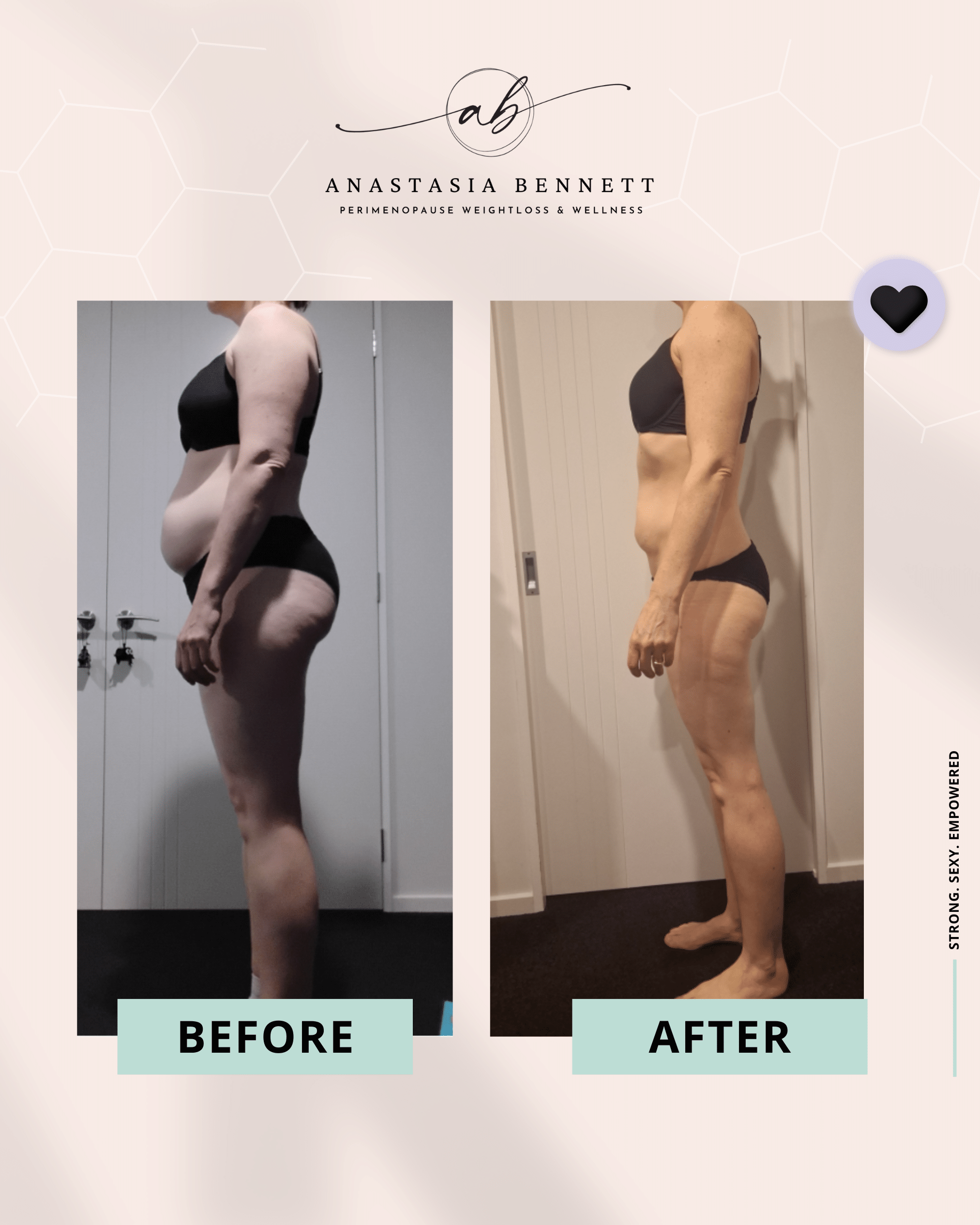
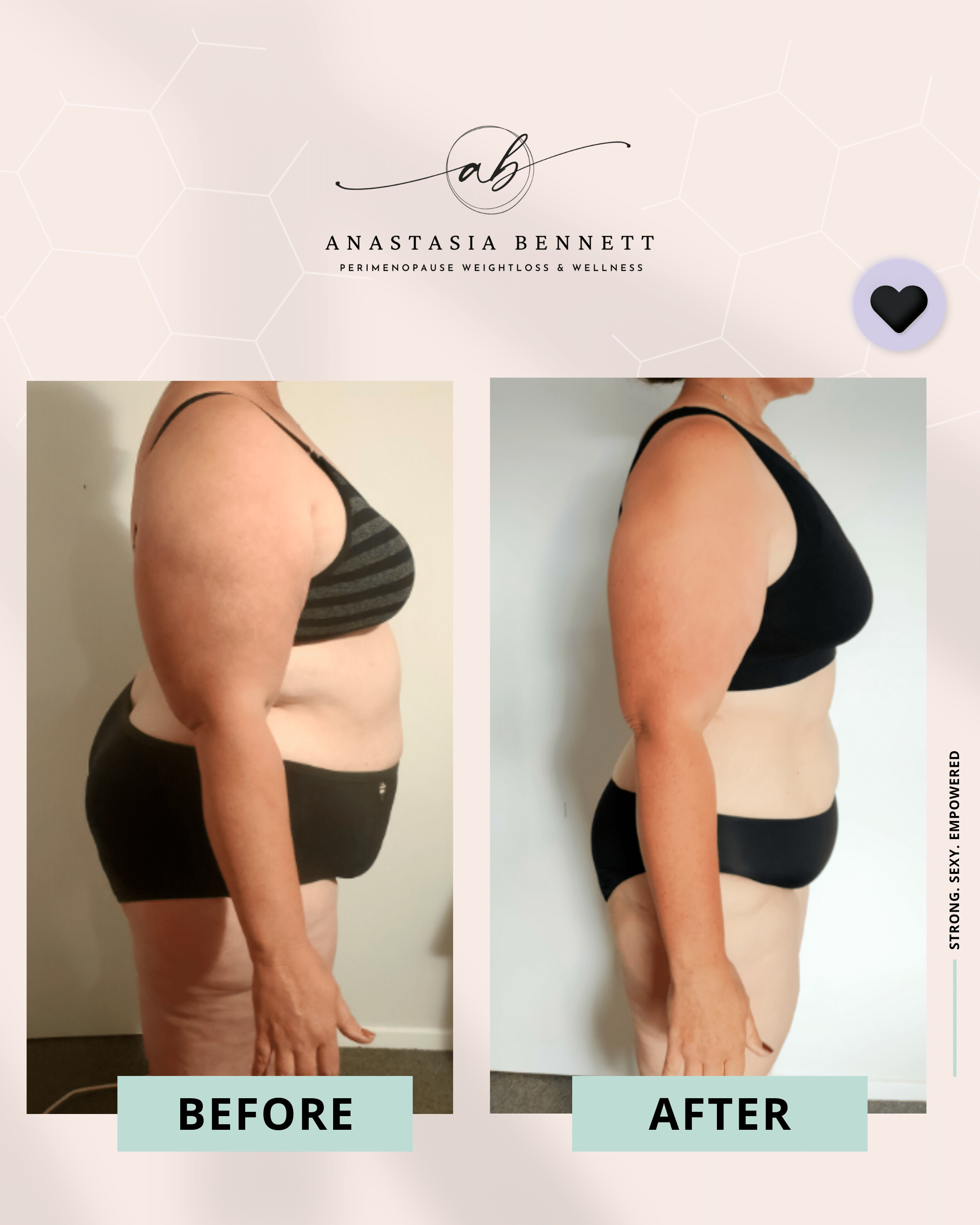
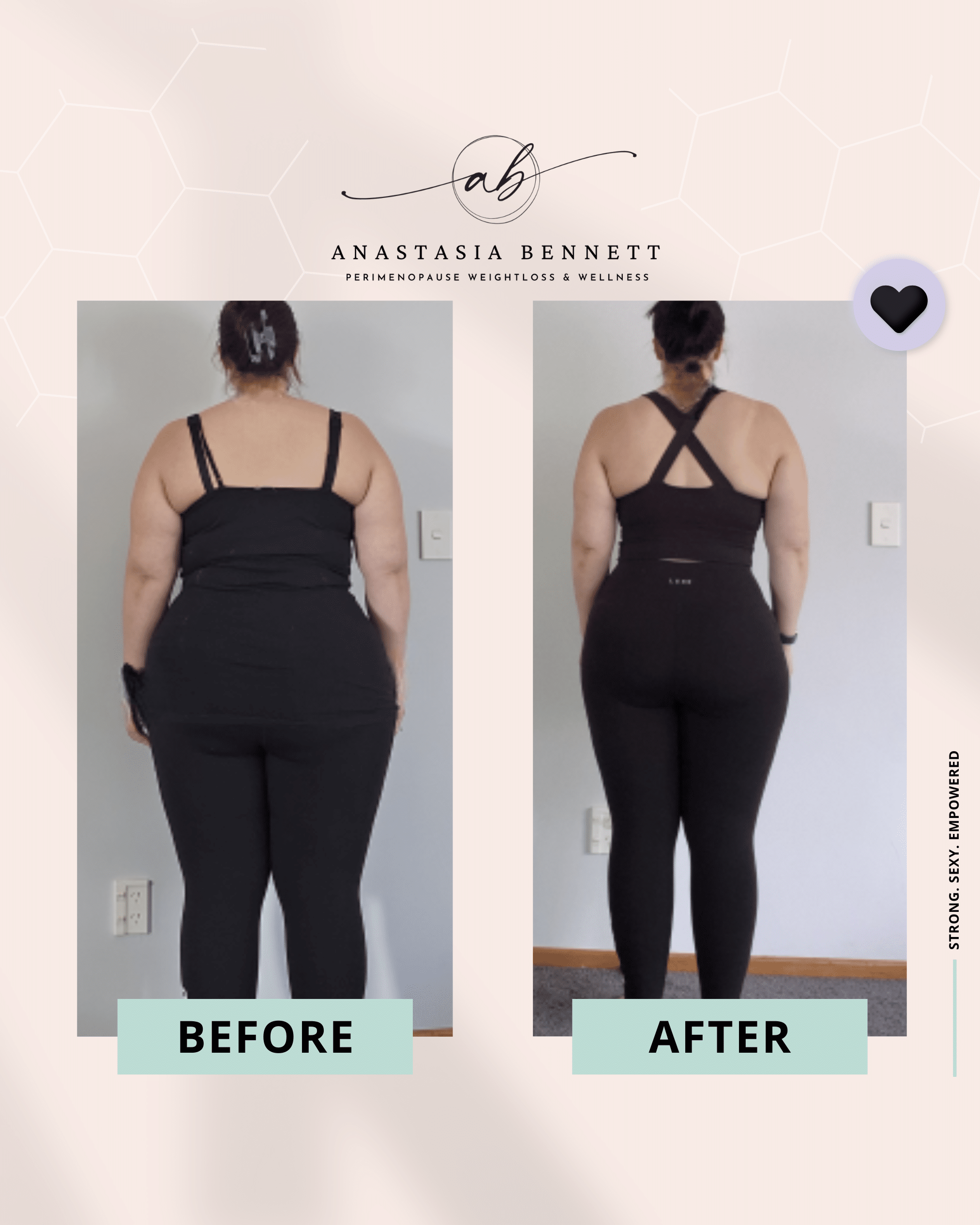
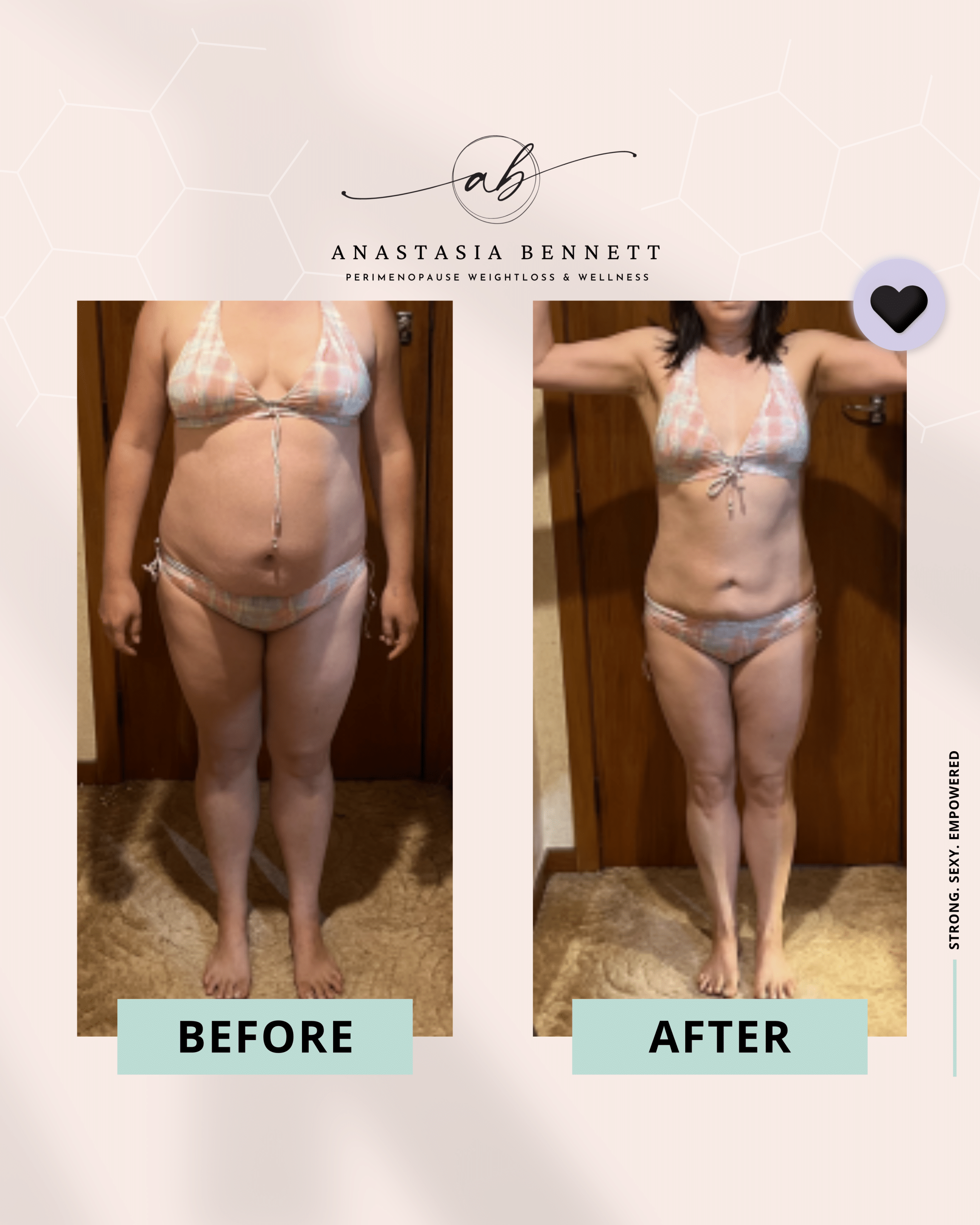
Enjoy The Metabolic Reset Method™ success stories of others!
Anastasia Bennett provides fully online coaching in weight loss, perimenopause, menopause, gut health, and hormone health to clients around the world.
The Metabolic Reset Method™.
Real Women. Real Results.
An Introduction to This Stage of Life
I focus on helping women with menopause and perimenopause weight loss, gut health and energy levels in New Zealand and overseas. However, first, we need to ask ourselves, what is perimenopause, menopause and postmenopause?
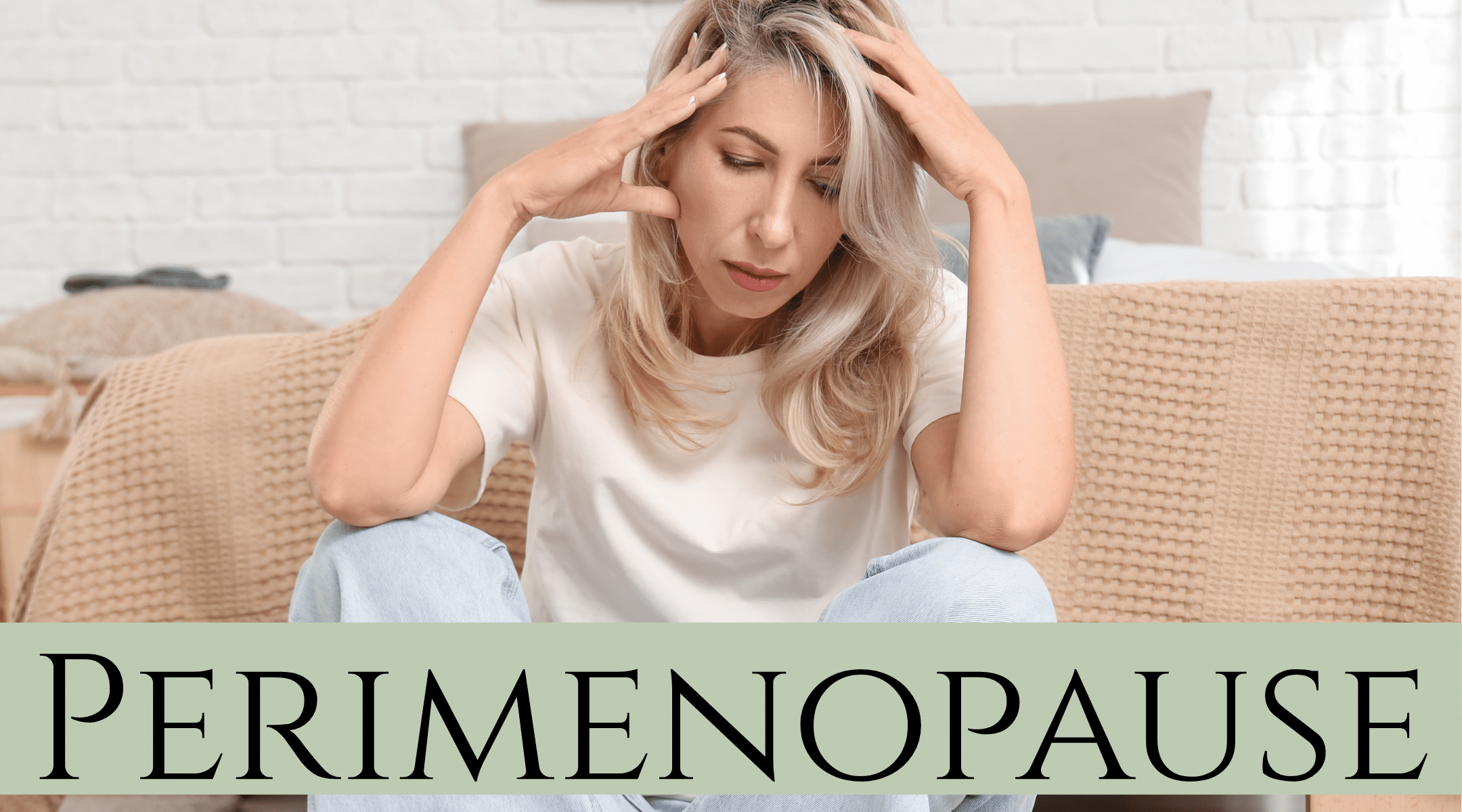
Perimenopause is the transitional phase before menopause, usually starting in a woman’s mid-30s to early 40s, and can last 4-10 years or longer for some. During this time, hormonal fluctuations cause symptoms like irregular periods, heavy bleeding, rage, mood swings and weight gain. Sleep disturbances, joint pain, and fatigue are also common. Hormone levels gradually decrease, making this phase challenging, but lifestyle changes like proper nutrition and exercise can help manage symptoms.
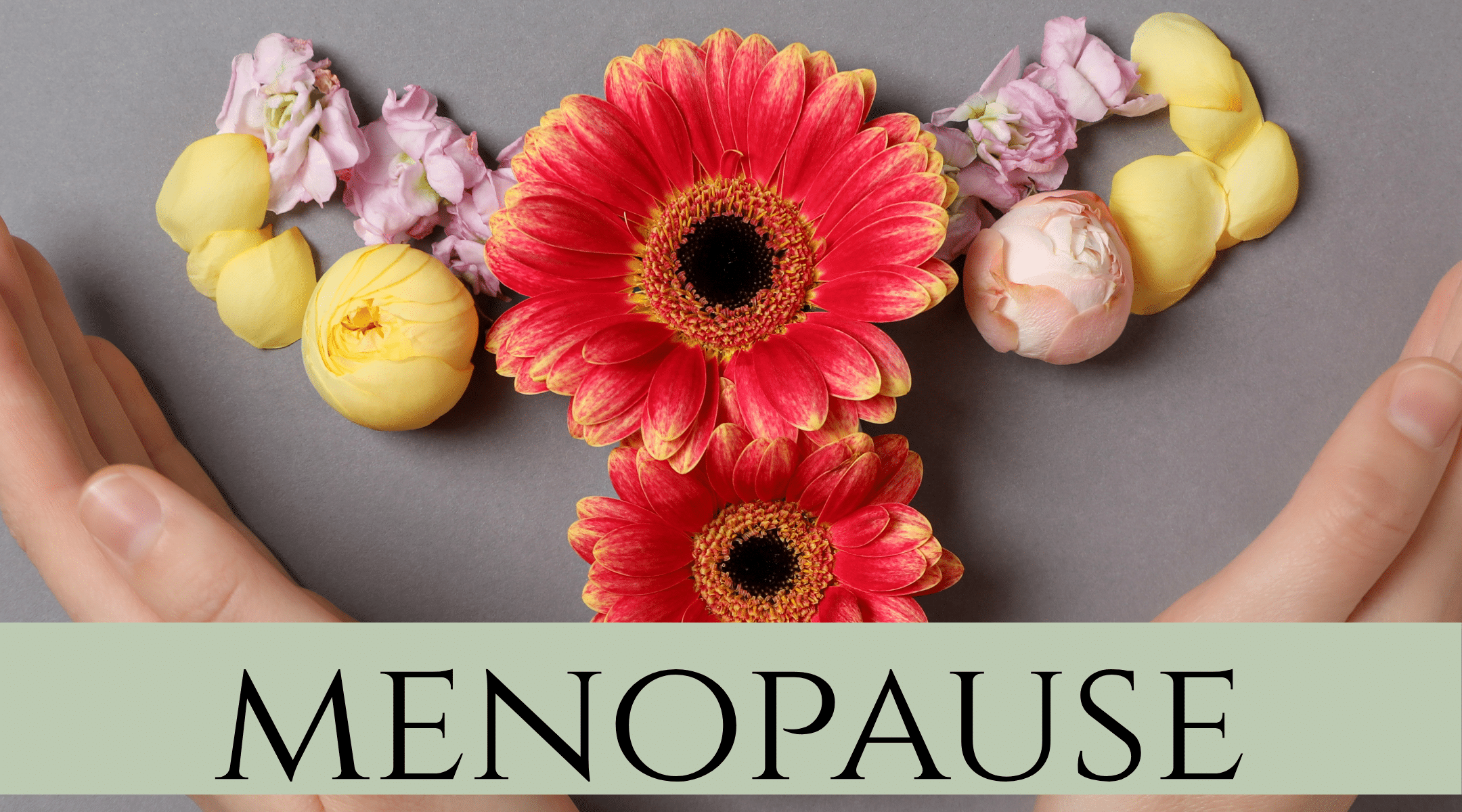
Menopause occurs when a woman has gone 12 months without a period, typically around age 50. It marks the end of menstruation and significant drops in oestrogen and progesterone. Common symptoms include hot flashes, night sweats, vaginal dryness, and mood changes. These changes can affect quality of life, but symptoms vary widely in intensity and duration among women.
Postmenopause begins after 12 consecutive months without a period and continues for life. Many menopause symptoms, like hot flashes, subside, but the lower oestrogen levels may increase the risk of osteoporosis and heart disease. Symptoms like vaginal dryness and decreased libido can persist, so ongoing health management, including exercise and regular check-ups, is important for long-term well-being.
Menopause & Perimenopause
weight loss and wellness blogs

Why you’re gaining belly fat in perimenopause (4 levels)
Belly fat in perimenopause is one of the most frustrating things women over 40 deal with and it's not about willpower. If you've noticed your shape changing, particularly through the middle, something biologically...
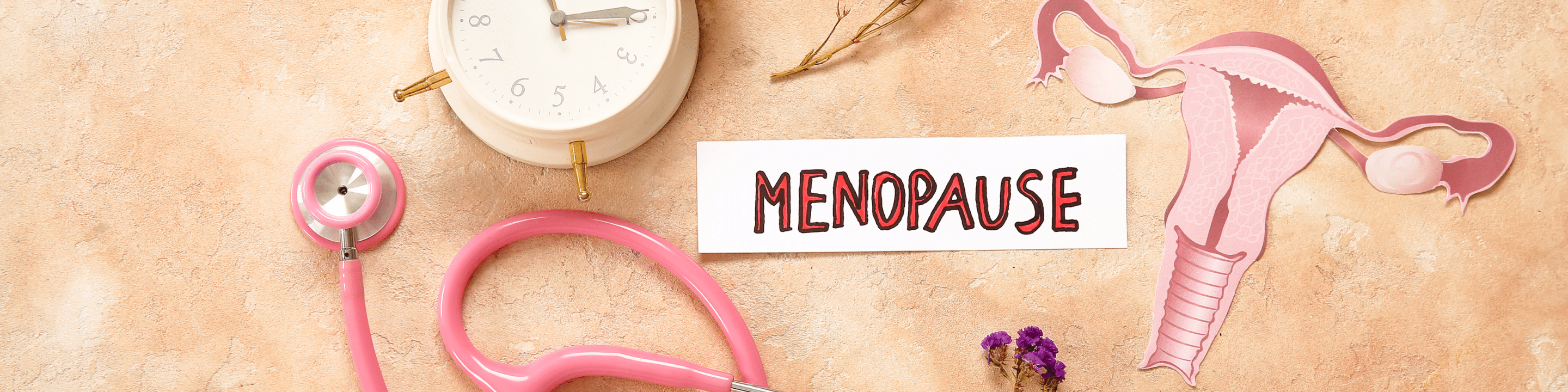
Menopause Weight Loss: Why Women Gain Weight After 40
Many women reach menopause and suddenly feel like their body has changed overnight. The weight that used to be easy to manage begins to creep up. Belly fat appears even though eating habits have not changed. Exercise...

Weight Loss for Women Over 40: Hormones, Metabolism and Fat Loss
Weight Loss for Women Over 40 becomes a new norm. Many women reach their forties and feel like their body suddenly changed. The strategies that used to work in their twenties or thirties stop working. The scale climbs...