Thinking about what to eat next before you've finished your current meal. Planning snacks while working. Feeling pulled to the pantry every evening. Many women call this food noise, the constant mental chatter about food, and it often gets louder in perimenopause. GLP-1 medications have made the term famous because so many people describe it switching off. Here's what drives food noise in midlife and how to quieten it, with or without medication.
Here's what this article covers
What Is Food Noise?

It isn't a medical term, but it describes something real: intrusive, persistent thoughts about food that make it hard to focus and hard to stop eating. It's different from normal hunger, which builds gradually and settles after a meal. It can show up even when you're physically full, and it often feels louder when you're tired, stressed or bored.
Many women describe it as exhausting. It takes up mental space, makes healthy eating feel like a constant battle and leaves them feeling as though they lack willpower. In reality, it's driven largely by biology.
Why Food Noise Gets Louder in Perimenopause
Poor sleep. Night sweats and early waking are common in perimenopause, and sleep loss turns up appetite signals. In a controlled trial, two nights of restricted sleep increased the hunger hormone ghrelin by 28%, reduced the fullness hormone leptin by 18% and boosted appetite most for calorie-dense, high-carbohydrate foods (Spiegel et al., 2004).
Stress and cortisol. Cortisol increases the reward value of sugary, fatty and salty foods. Research has linked greater stress reactivity in women with more central fat (Epel et al., 2000), and many women in midlife are under sustained pressure from work and family.
Blood sugar swings. As insulin sensitivity falls in midlife, meals high in refined carbohydrate can lead to bigger spikes and dips. The dips trigger hunger and cravings soon after eating. Read our guide to insulin resistance in menopause.
Hormonal shifts. Oestrogen influences appetite regulation and brain reward pathways. As it fluctuates, many women notice stronger cravings, particularly in the days before a period.
Undereating earlier in the day. Skipping breakfast or eating a light lunch often leads to intense cravings in the late afternoon and evening, when the body is trying to catch up.
How GLP-1 Medications Quieten Food Noise
GLP-1 medications act on appetite centres in the brain and slow stomach emptying, which helps you feel full sooner and for longer. Many people describe the biggest change as the constant chatter disappearing. In trials like STEP 1, this reduced appetite translated into sustained weight loss (Wilding et al., 2021).
The catch is that the chatter often returns when the medication stops, which is one reason weight regain is common. Building habits that support appetite regulation while you're on the medication is the best way to protect your results. See how to prevent weight regain after a GLP-1.
7 Ways to Quieten Food Noise Without Medication
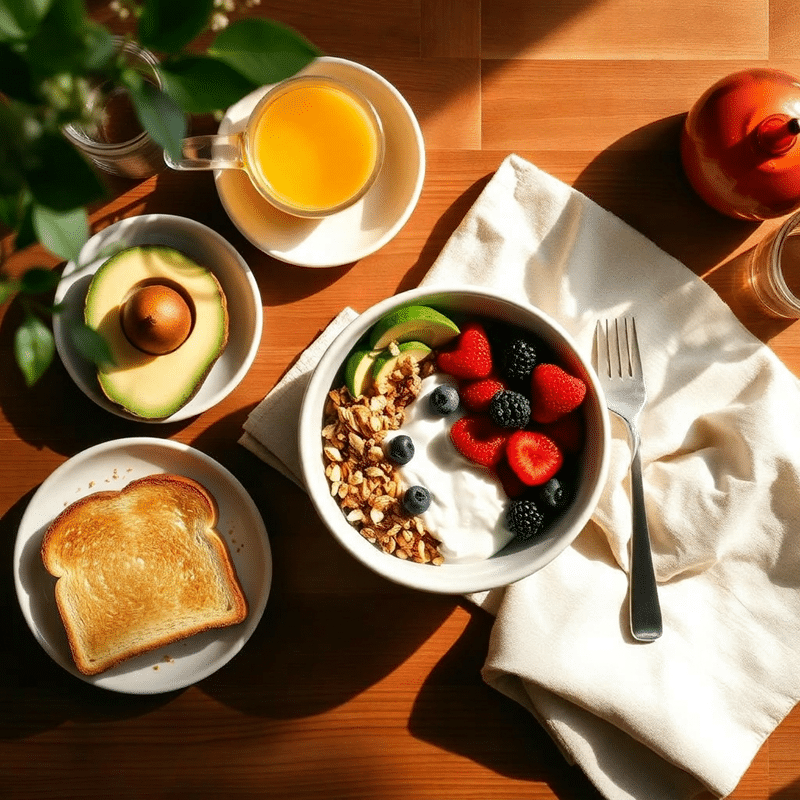
1. Eat protein at every meal. Protein is the most filling nutrient. Aim for 25 to 40 grams per meal, in line with International Society of Sports Nutrition guidance.
2. Front-load your day. A proper breakfast and lunch reduce the evening pull to the pantry.
3. Add fibre. Vegetables, legumes, oats and wholegrains slow digestion and keep you satisfied.
4. Walk after meals. Light walking after eating reduces blood sugar and insulin spikes. A meta-analysis found light walking breaks lowered glucose and insulin compared with sitting (Buffey et al., 2022).
5. Protect your sleep. Better sleep is one of the most powerful ways to calm appetite.
6. Manage stress outside of food. A walk, a shower, a call with a friend or ten minutes of slow breathing can meet the need food is filling.
7. Change your environment. Keep tempting foods out of sight, plate snacks rather than eating from packets, and avoid eating in front of screens.
Is It Hunger or Food Noise?
Before reaching for food, pause and ask a few questions. When did I last eat a proper meal? Would I eat a plain meal like chicken and vegetables right now, or do I only want something specific? Am I tired, stressed, bored or procrastinating? Physical hunger builds gradually and is satisfied by most foods. Cravings often arrive suddenly and craves something particular. Noticing the difference gives you a choice.
Food Noise and Emotional Eating
For many women, it is tied up with emotions. Food can become a way to cope with stress, loneliness, exhaustion or the end of a long day. That's very human. The goal isn't to never eat for comfort, but to have other ways to meet those needs most of the time. If emotional eating feels overwhelming or out of control, talking to a health professional can help.
Food Noise at Work

Workplaces are full of food cues: biscuits in meetings, cakes for birthdays, vending machines and long stretches of sitting. Planning ahead helps. Bring a protein-rich lunch and snack, keep water on your desk, take a short walk after lunch and decide in advance whether you'll have a treat at an office celebration. Small structures like these reduce the constant decision-making that fuels cravings through the day.
A Day Designed to Quieten Food Noise
Start with a protein-rich breakfast within a couple of hours of waking, such as eggs with vegetables or Greek yoghurt with berries and seeds. Have a balanced lunch with protein, vegetables and slow carbohydrates, then a ten-minute walk. Plan an afternoon snack with protein and fibre, like cottage cheese and fruit or hummus and vegetables. Eat dinner at a regular time, finish two to three hours before bed, and wind down with a non-food ritual. Many women notice cravings settle within one to two weeks of eating this way.
Why Willpower Isn't the Answer
Many women blame themselves for constant cravings, believing they simply need more discipline. But appetite is regulated by hormones, sleep, stress and blood sugar, all of which shift in midlife. Trying to override these signals with willpower alone is exhausting and rarely lasts. A better approach is to change the conditions that drive cravings: eat enough earlier in the day, build meals around protein and fibre, sleep well and manage stress. When the biology is supported, the mental chatter usually becomes much quieter without a constant battle.
Be kind to yourself in the process. Progress isn't about never having a craving again. It's about cravings becoming less frequent, less intense and easier to let pass.
Frequently Asked Questions About Food Noise
Is food noise a sign of something wrong?
Usually not. It's common and often driven by sleep, stress, blood sugar and hormones. If it's affecting your wellbeing, speak to a health professional.
Does food noise get better after menopause?
For some women it eases as hormones settle, but sleep, stress and eating patterns continue to play a big role.
Will food noise come back if I stop a GLP-1?
It often does. Building habits around protein, fibre, sleep and stress while on the medication helps reduce its return.
Can I quieten food noise without medication?
Yes. Many women see big improvements by eating enough protein earlier in the day, improving sleep and managing stress.
Does alcohol make cravings worse?
Yes, for many women. Alcohol lowers inhibitions, disrupts sleep and increases appetite the next day, which can make cravings louder. Cutting back often helps quickly.
Can strength training help with appetite?
Regular strength training improves insulin sensitivity and supports better sleep and mood, all of which help regulate appetite. Many women find cravings ease as they become more active.
What's the best snack to calm cravings?
Choose snacks that combine protein and fibre, such as Greek yoghurt with berries, cottage cheese with fruit, a boiled egg with vegetables, or hummus with crackers. They keep you satisfied far longer than biscuits or chips.
Quieter food noise means more headspace for the things that matter to you, and a far easier path to managing your weight through perimenopause and beyond.
Start with one change this week, such as a protein-rich breakfast, and notice the difference.
Get Support
This is one of the most common things women bring to me in perimenopause and menopause. I help them understand what's driving it and build a plan to quieten it, and I run workplace sessions and webinars on GLP-1s, weight gain and midlife health. To find out more, book a discovery call.