

"What is the best diet for menopause weight loss?" It's one of the most searched questions about menopause, and weight gain is consistently the number one concern women look up. The answer isn't a trendy plan or a list of banned foods. It's a way of eating that works with the changes happening in your body: protecting muscle, steadying blood sugar, supporting sleep and fitting into real life.
Here's what this article covers
Why Your Old Diet Stops Working
In perimenopause and menopause, your body changes how it stores and uses energy. Large studies show the rate of fat gain roughly doubles and lean mass starts to decline as women enter the transition (Greendale et al., 2019). A review by the International Menopause Society found the hormonal changes of perimenopause substantially increase abdominal fat (Davis et al., 2012).
That's why a menopause diet needs to do more than cut calories. It needs to keep muscle, manage insulin and fit around poorer sleep and higher stress.
The Core Principles of a Menopause Diet
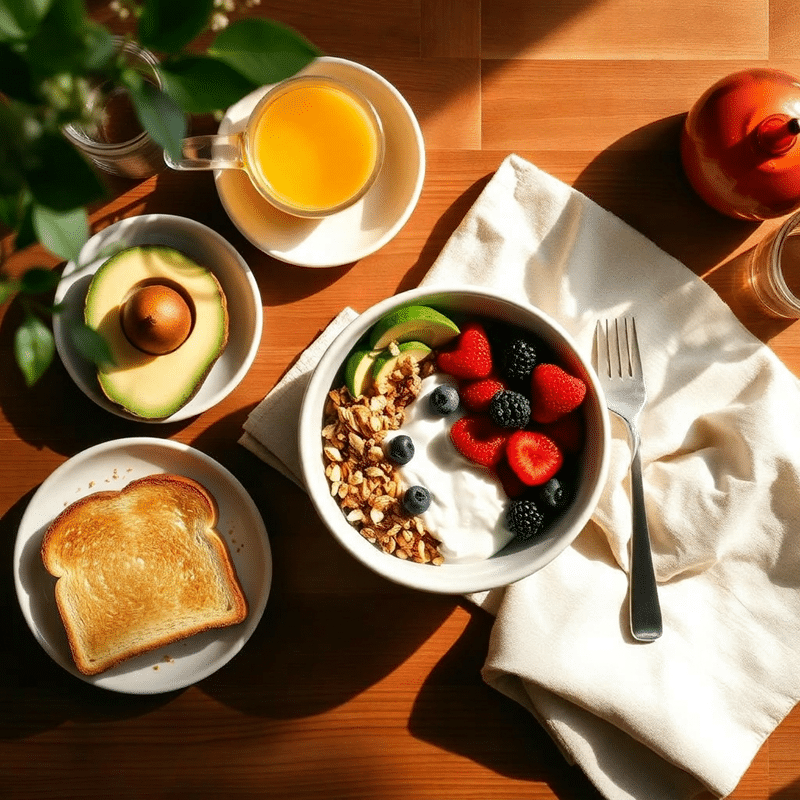
Protein at every meal. Protein is the foundation. It keeps you full, protects muscle and takes more energy to digest. The International Society of Sports Nutrition recommends 1.4 to 2.0 grams per kilogram of body weight daily for active people, in doses of roughly 20 to 40 grams. For most women, that means a palm or more of protein at breakfast, lunch and dinner.
Plenty of fibre and plants. Vegetables, fruit, legumes, wholegrains, nuts and seeds support gut health, blood sugar and cholesterol, which tends to rise around menopause. Aim for half your plate as vegetables.
Smart carbohydrates. You don't need to cut carbs. Choose slower options like oats, kumara, brown rice, legumes and wholegrain bread, pair them with protein, and eat more of them around activity.
Healthy fats. Extra virgin olive oil, avocado, nuts, seeds and oily fish support heart and brain health and help you feel satisfied.
Less alcohol and ultra-processed food. These add energy without fullness, disrupt sleep and make cravings harder to manage.
Is the Mediterranean Diet Best for Menopause?
A Mediterranean-style pattern ticks most boxes for a menopause diet: vegetables, legumes, wholegrains, fish, olive oil, nuts and moderate dairy, with fewer processed foods and sweets. It has strong evidence for heart and metabolic health, and in the SMILES trial, adults with depression who moved towards this way of eating with dietitian support improved their symptoms more than those given social support alone (Jacka et al., 2017). Mood matters in perimenopause, so that's a meaningful benefit.
The one tweak I suggest for most women in midlife is more protein than a traditional Mediterranean pattern, to protect muscle.
How Many Calories Do You Need?
For fat loss, you need a modest deficit. For most women, around 300 to 500 calories a day below maintenance is a sensible place to start. Bigger deficits often backfire, causing muscle loss, poor sleep, hunger and rebound eating. Weight change is gradual, and modelling research shows the body adapts slowly to changes in intake (Hall et al., 2011). Read how to calculate your maintenance calories.
A Sample Day on a Menopause Diet

Breakfast: Three eggs scrambled with spinach and mushrooms on one slice of wholegrain toast, or Greek yoghurt with berries, oats and seeds.
Lunch: A large salad or grain bowl with chicken, salmon, tofu or chickpeas, mixed vegetables, olive oil dressing and a small serve of quinoa or brown rice.
Snack: Cottage cheese with fruit, a boiled egg and an apple, or hummus with vegetable sticks.
Dinner: Fish, lean meat or tofu with two or three vegetables and a fist-sized serve of kumara or potato. Follow with a short walk.
Why Timing Matters Too
When you eat can make a difference. Eating most of your food earlier in the day and finishing dinner two to three hours before bed supports sleep and reduces late-night snacking. A short walk after meals lowers blood sugar spikes. A meta-analysis found that light walking breaks after meals reduced glucose and insulin compared with standing or sitting (Buffey et al., 2022).
Diets to Avoid in Menopause

Very low-calorie diets, juice cleanses and extreme detoxes cost muscle and often lead to regain. Strict low-carb or keto diets can work short term for some women but are hard to sustain and may reduce fibre intake. Long fasts can worsen sleep and anxiety for some women in perimenopause. See our article on fasting during perimenopause. The best menopause diet is one you can follow for years, not weeks.
Do You Need Supplements?
Most nutrients are best obtained from food. Some women benefit from vitamin D, especially in winter, and iron if periods are heavy, but testing first is wise. Read our vitamin D guide and our low iron guide.
How to Start a Menopause Diet This Week
You don't need to overhaul everything at once. The most successful menopause diet changes are small and stacked over time. In week one, focus only on breakfast: add 25 to 30 grams of protein, such as eggs, Greek yoghurt or a protein smoothie. In week two, make sure lunch includes a palm of protein and plenty of vegetables. In week three, plan a protein-rich afternoon snack to prevent evening grazing. In week four, look at alcohol and decide which nights will be alcohol-free.
By the end of the month, you'll have built a menopause diet that feels normal rather than restrictive. Most women notice better energy, fewer cravings and improved sleep within a few weeks, with changes in waist measurement following over the next couple of months.
A Menopause Diet on a Budget
Eating well doesn't have to be expensive. Eggs, tinned fish, frozen vegetables, oats, lentils, chickpeas, plain yoghurt in large tubs and seasonal produce are all affordable foundations. Cooking a big batch of a protein-rich dish at the start of the week, such as a lentil and vegetable curry or shredded chicken, saves time and money and makes it easier to stick to your menopause diet on busy days.
A Menopause Diet for Busy Working Women
Workdays are where good intentions often fall apart. Keep easy protein options at work, like Greek yoghurt, boiled eggs, tuna pouches or protein bars with a decent protein content. Pack lunch the night before. Eat away from your desk where possible and follow lunch with a short walk. These habits make a menopause diet realistic for women juggling demanding jobs, and they help with afternoon energy and focus too.
Remember, the best menopause diet is the one you can sustain through busy weeks, holidays and celebrations. Consistency over months matters far more than perfection on any single day.
Frequently Asked Questions About the Menopause Diet
What is the best diet for menopause weight loss?
A high-protein, Mediterranean-style pattern with plenty of vegetables, fibre and healthy fats, in a modest calorie deficit, works well for most women.
Should I cut out carbs?
No. Choose slower carbohydrates and pair them with protein. Cutting them completely is rarely necessary or sustainable.
How fast can I lose weight in menopause?
Around 0.25 to 0.5 kg a week is realistic and protects muscle.
Does diet help hot flushes?
Reducing alcohol, caffeine and spicy food helps many women. A healthy weight may also reduce symptoms.
Is a vegetarian menopause diet effective?
Yes. Vegetarian women can follow an effective menopause diet by focusing on protein from eggs, dairy, tofu, tempeh, legumes and quality protein powders, and by checking iron, B12 and vitamin D levels.
Do I need to count calories?
Not always. Many women lose weight by building meals around protein and vegetables, limiting alcohol and moving more. Tracking for a few weeks can help you understand portions.
What should I eat before bed?
Ideally, finish your main meal two to three hours before bed. If you're hungry later, a small protein-based snack like Greek yoghurt or a glass of milk is a good option.
Start with one change this week, build on it next week, and let small wins add up to lasting results.
Get Support

There's no one-size-fits-all menopause diet. I help women in perimenopause and menopause build a plan that suits their body, tastes and life, and I run workplace sessions and webinars on nutrition and metabolic health. To find out more, book a discovery call.
